6.19.25
I should have known the news wasn’t good when the ER resident entered our bay and took a knee. I had just finished changing Fred’s diaper and nervously began making small talk about how he had a blowout in his car seat on the way here.
We had come to Oishei Children’s Hospital a few hours earlier because of some swelling around Freddie’s right eye that had failed to respond to antibiotics and other conservative measures over the previous few weeks. His blood tests all looked great, which eased our concern for any crazy malignancy or infection. However, despite this, the CT of his skull and facial bones showed “an aggressive skull base lesion with hair on end appearance which could represent an aggressive metastatic lesion.” In the plainer words of our ER doc, “I have some unfortunate news. The swelling on Fred’s head appears to be cancerous.”
I can’t remember much else before heading upstairs to our assigned room on the Pediatric Hematology/Oncology unit, other than texting my sister and my boss “It’s cancer.”
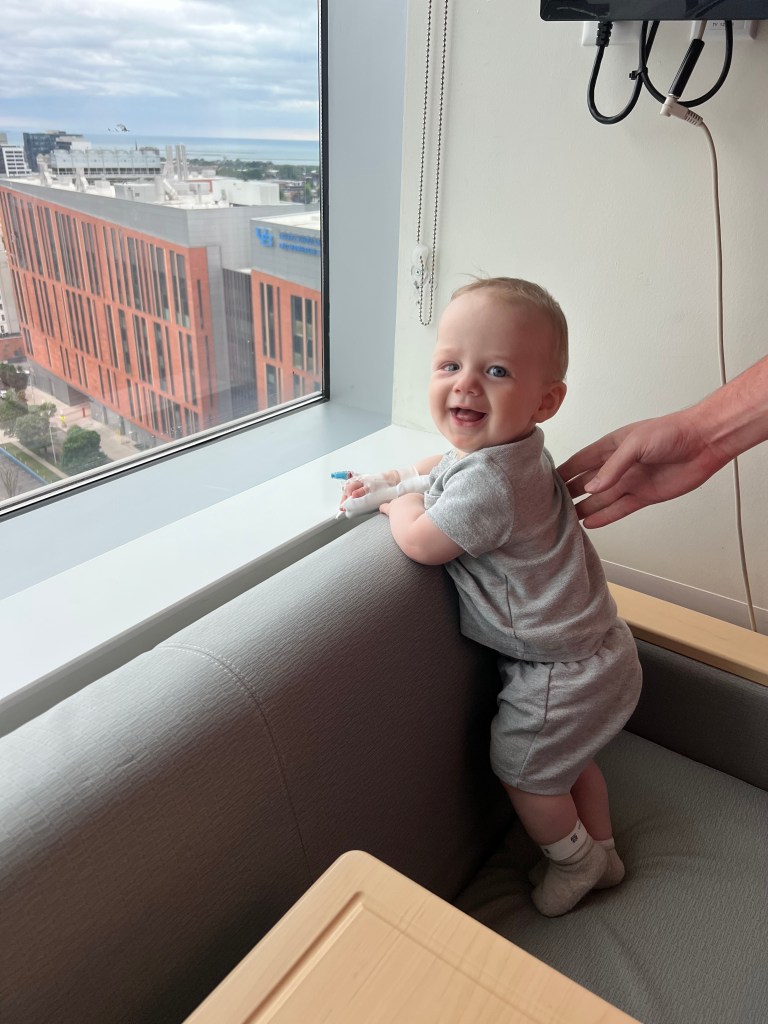
6.20.25
Freddie had a CT chest abdomen and pelvis done to look for the primary tumor, as the lesions in his skull (three in total) looked like metastatic neuroblastoma. Lo and behold, “a well-defined oval heterogeneous mass in the left suprarenal region measuring 4.4 x 4.2 x 4.6 cm” was identified. The primary tumor. We were now officially running with a diagnosis of metastatic neuroblastoma.
Freddie was also seen by ophthalmology to assess for any evidence of tumor inside his right eye, which was now starting to be pushed downward because of the growing orbital mass. Thankfully, his vision appeared intact and there was no evidence of malignancy within the eye itself.
6.23.25
After a long weekend of waiting, Freddie was taken to the OR for a biopsy of the left adrenal mass. A biopsy is necessary to obtain tissue in order to guide treatment planning. The primary aim of this biopsy was to determine whether Freddie was MYCN amplified. If MYCN amplified –> high risk, if non-amplified –> standard risk. This would determine whether he could undergo 6 months of chemo with a 5-year survival rate >90%, or whether he’d require 15-18 months of chemo, immunotherapy, stem cell transplants, and radiation with a 5-year survival rate of ~50%.
Freddie’s surgeon came out to the waiting room after about an hour and told us that the mass in his abdomen was extremely mobile, and he felt confident that he could resect the entire tumor right then and there. While neuroblastoma tumors are notoriously sticky and invasive, Freddie’s tumor seemed to be well-contained and accessible. With our primary oncologist in agreement, the surgeon proceeded to resect the tumor + a few suspicious-looking lymph nodes. Freddie tolerated the procedure incredibly well, and received some well-deserved contact naps for the rest of the day.
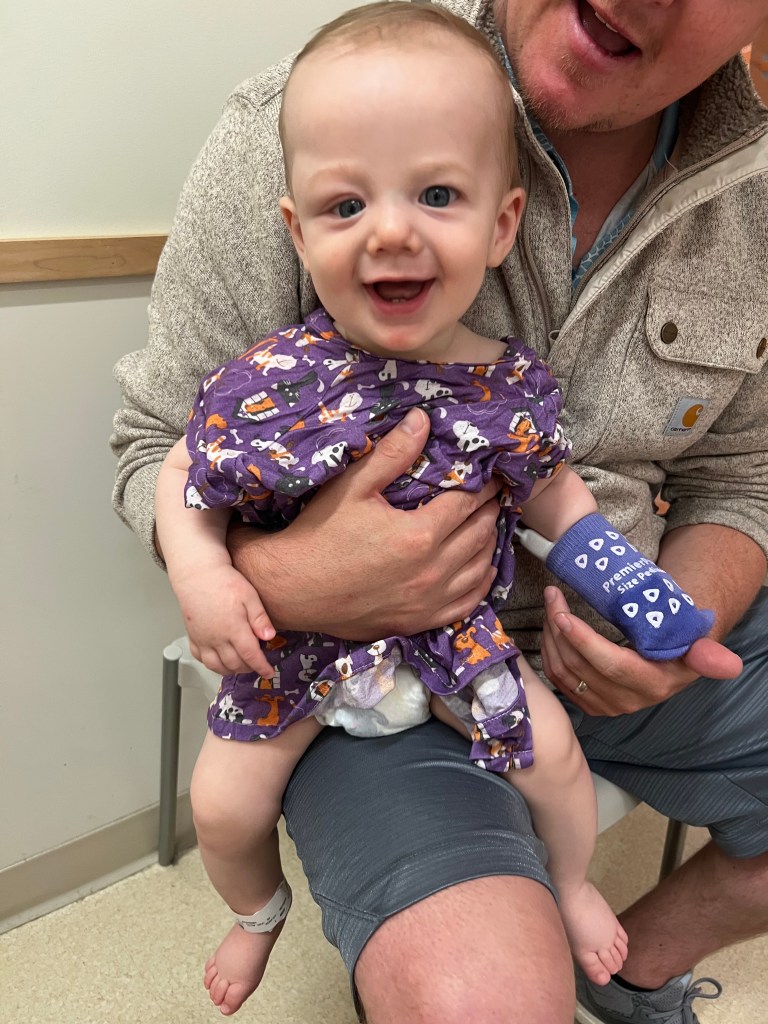
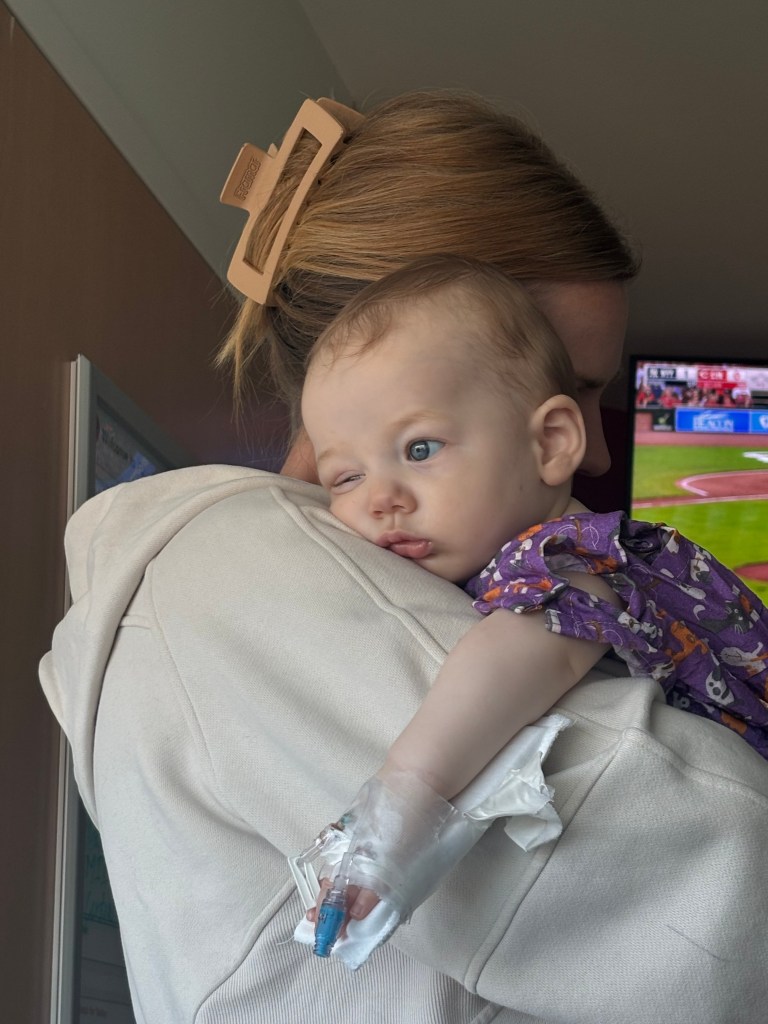
6.26.25
After a few loooong days of waiting for biopsy results, our primary oncologist entered our room. “Well, not the news we wanted.” Freddie’s biopsy revealed MYCN amplification, automatically placing him in the high-risk category. This means more intense chemotherapy for a longer period of time, tandem stem cell transplants, immunotherapy, and an overall poorer prognosis. It was hard to fathom, especially because Freddie had shown zero signs of being sick, aside from his eye swelling. It didn’t seem possible. It also meant we didn’t have much time to wait before starting treatment.
6.27.25
Freddie had two bone marrow biopsies and a dual-lumen central venous catheter placed in order to begin treatment. He started chemo that night.
7.1.25
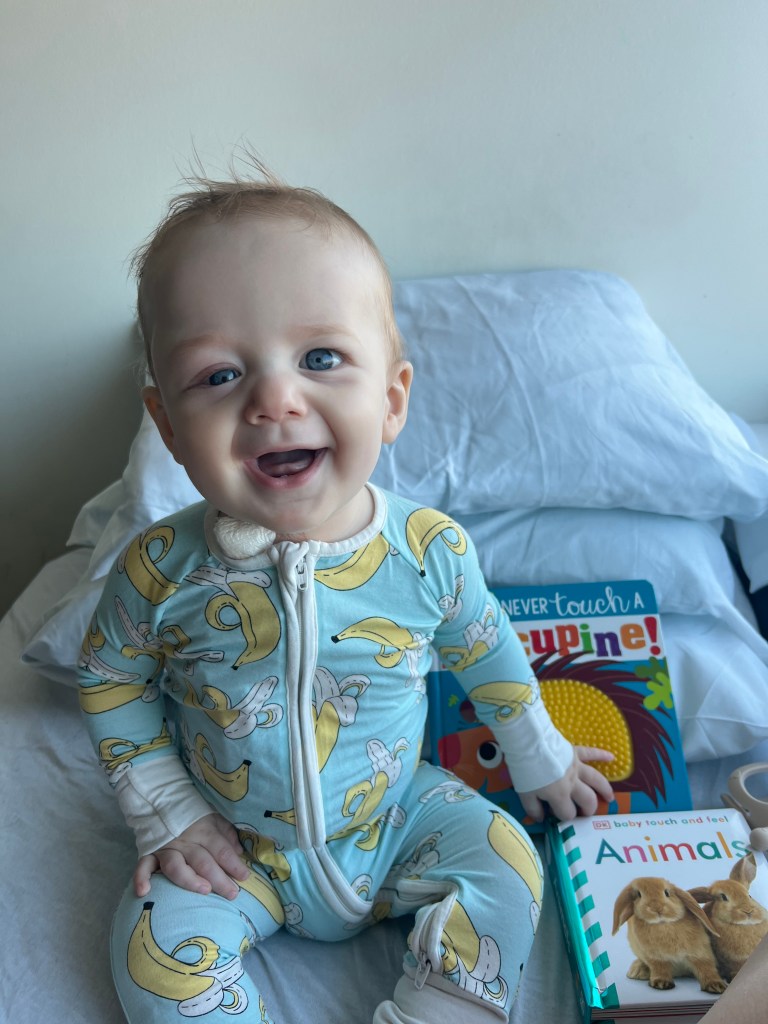
After a few [refreshingly] uneventful days, we went home!
7.3.25
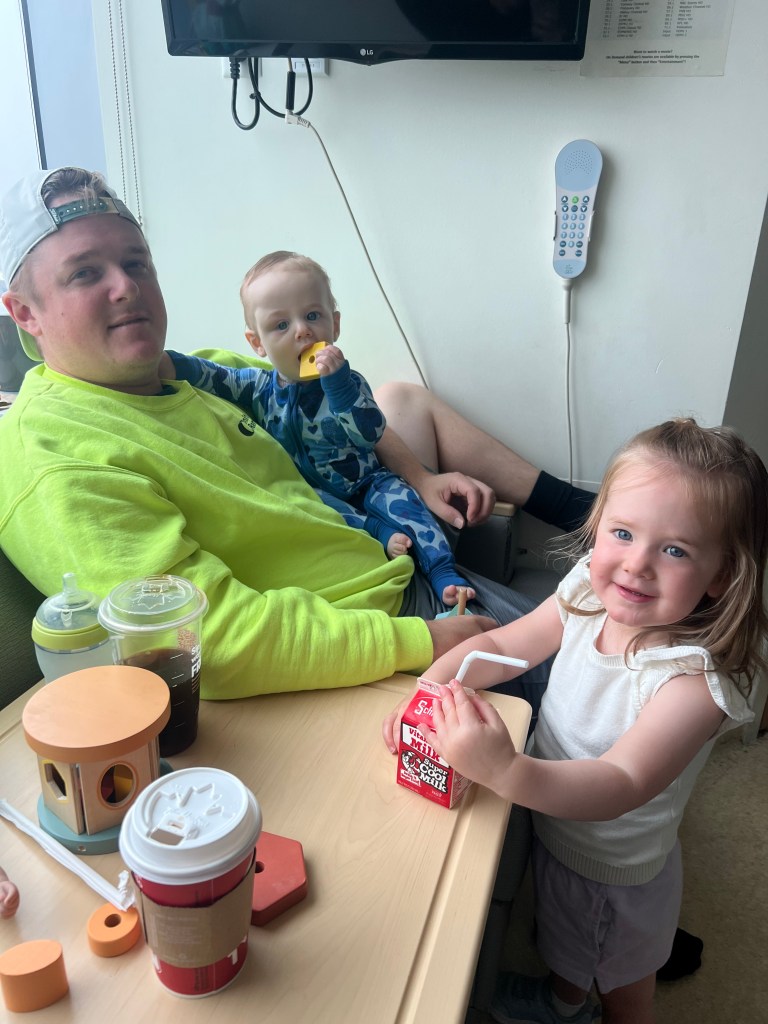
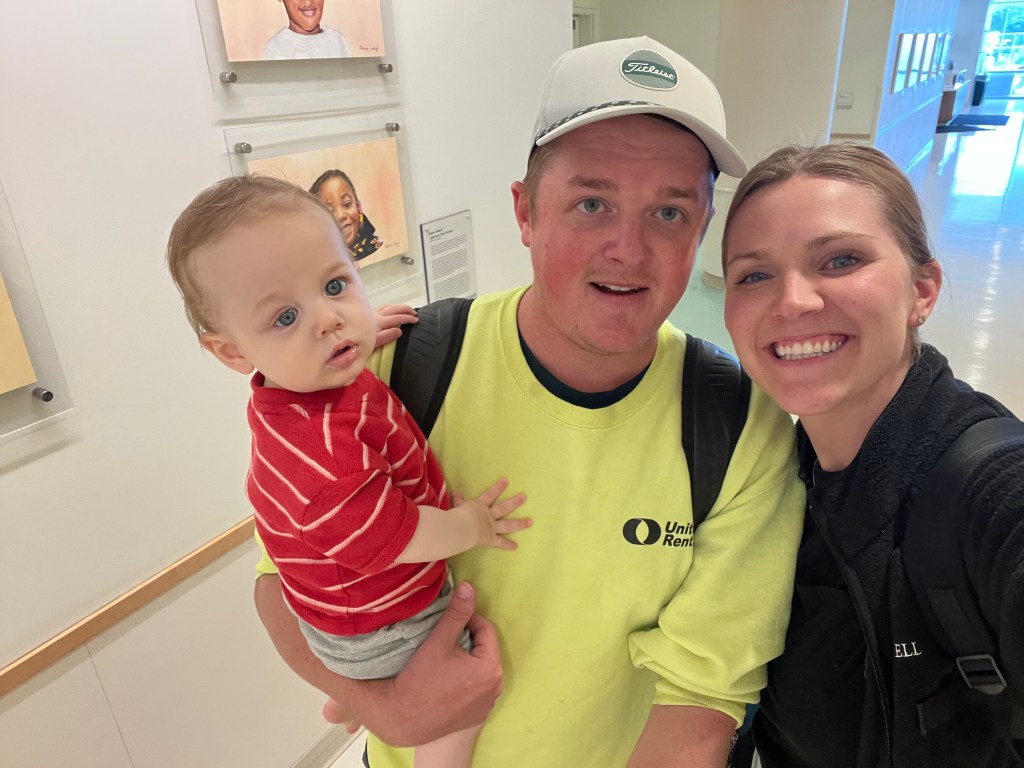
Freddie had an outpatient clinic visit where routine labs were drawn, followed by his MIBG scan to complete the staging workup. He tolerated the scan and anesthesia incredibly well. In fact, Freddie was in such a happy mood in PACU that our anesthesiologist told us “I didn’t give him any drugs to make him this happy. This must just be him?”
However, his labs revealed a hemoglobin of 7.4. While not dangerously low, we were heading into a holiday weekend and our team felt it best that Fred receive a blood transfusion to hold him over since his counts were still dropping. Back to Oishei we went!
7.6.25
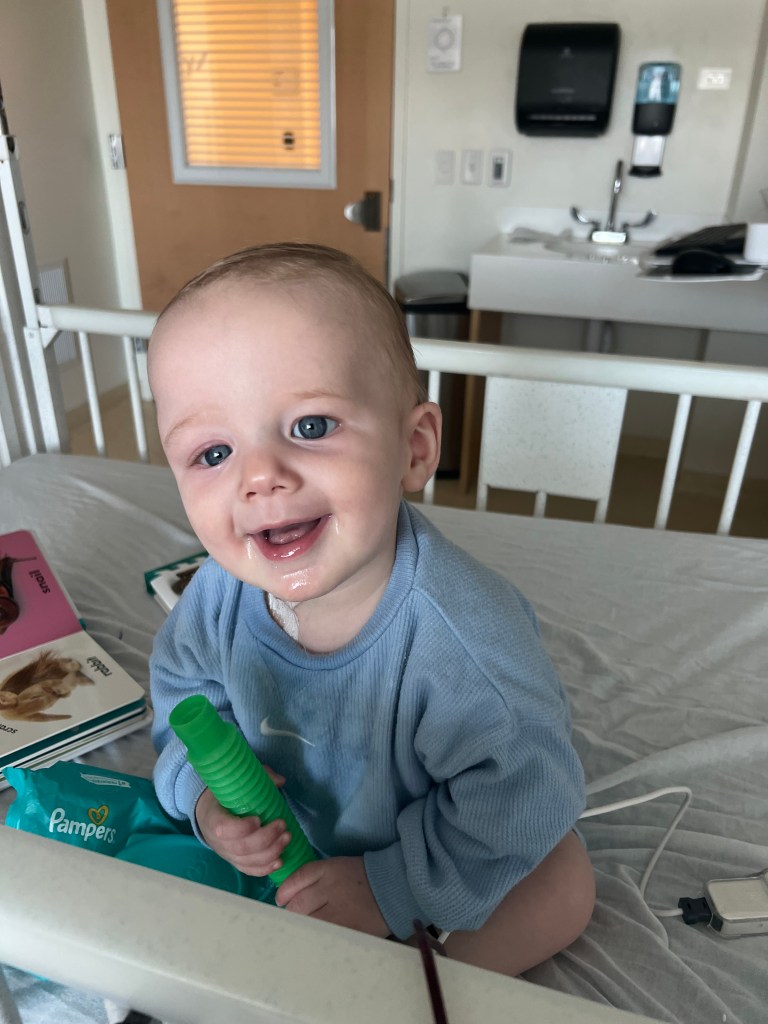
After a great few days at home, Freddie woke up Sunday morning with a fever of 102F. Because he had just received chemo, this necessitated a trip to the ER for infectious work-up. Initial labs revealed neutropenia (low neutrophils, a type of white blood cell), so we needed to be admitted for IV antibiotics and further monitoring. Fred is typically an incredibly happy baby but on this day, you could tell he felt horribly. He slept most of the day but when he was awake, he was crying.
7.8.25
Fred is beginning to turn the corner. His counts are still incredibly low and he needed a blood transfusion today to maintain his hemoglobin at a safe level, but he’s smiling more and febrile less often.
We also received the initial word that his MIBG scan did not show any further sites of disease that we didn’t already know about. Given our rocky road so far, we’re cautiously optimistic. But we’re also taking time to celebrate the small wins.
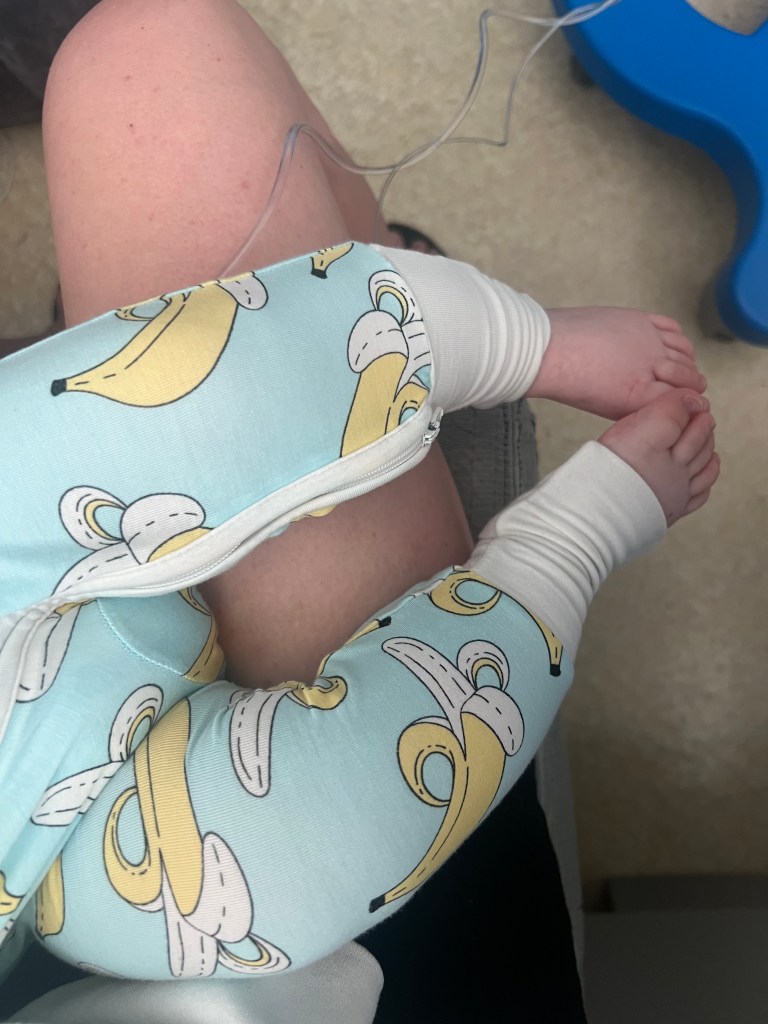


 Freddie's Fight Against Neuroblastoma
Leave a reply to connie Canas Cancel reply